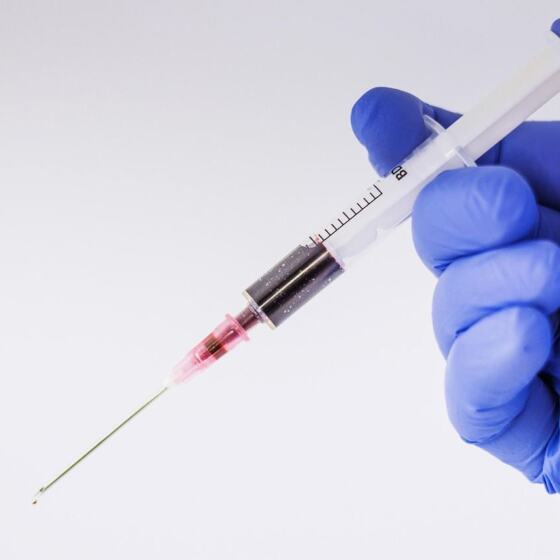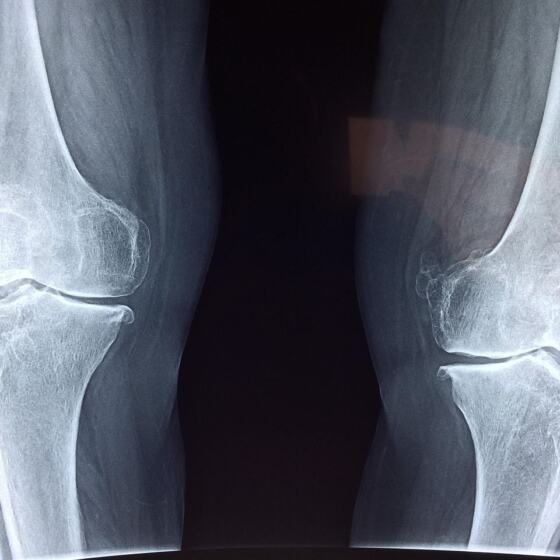

What is stem cell therapy? It is the use of stem cells, or cells grown from them, to replace or repair damaged or missing tissue. Few such treatments are approved; most uses remain experimental.
This guide is part of the Health section of an independent educational site and sits beside the wider overview in what is regenerative medicine and the research-focused guide to stem cell research. It describes regulatory status and the quality of evidence, and it does not recommend any treatment.
Meaning of the term
The phrase gets used loosely, which is the first source of confusion. The International Society for Stem Cell Research (ISSCR) defines the idea plainly: a stem cell treatment uses stem cells or the specialized cell types that come from stem cells to replace or repair a patient’s cells or tissues that are damaged or absent. That definition has two parts that matter in practice. The first is the cell source, which can be the patient’s own cells or cells from a donor. The second is the purpose, which is to rebuild something the body can no longer rebuild on its own.
A cell therapy is not automatically a stem cell therapy, and a product sold under a stem cell label is not automatically a therapy in the medical sense. In medicine, a treatment earns that word after it has been tested in a structured way, shown to be both effective and safe, and reviewed by a regulator. Marketing language such as “regenerative”, “natural healing” or “cell-based care” carries no such review. Reading the status of a product, rather than its description, is the most useful habit a reader can build.
Stem cells themselves are cells that can renew themselves and can give rise to more specialized cells. Different kinds exist, from the cells of early embryos to blood-forming cells in bone marrow and cells found in fat, cord tissue and other places. The details of each kind are covered in separate guides. For this article the useful point is narrower: the source of a cell and the way it is prepared and delivered determine which rules apply to it and what the evidence can say about it.
It also helps to separate three different situations that all get called “stem cell therapy”. The first is an approved, established treatment with a long clinical record. The second is an investigational treatment, given inside a clinical trial under oversight. The third is an unproven offering sold outside any trial. The rest of this guide is organized around that division, because it is the division regulators and researchers themselves use.

Approved stem cell treatments
Approved stem cell treatments are few. The ISSCR states that approved treatments are supported by strong evidence of efficacy and safety and accepted by the medical community, and that beyond the treatment of certain blood cancers and selected immune disorders, very few other conditions have proven effective and safe stem cell treatments.
The US Food and Drug Administration says the same thing from the regulatory side. In its consumer alert dated July 22, 2020, and last reviewed in 2024, the agency explained that the stem cell products FDA-approved for use in the United States consist of blood-forming stem cells, also known as hematopoietic progenitor cells, derived from umbilical cord blood. Those products are approved for disorders that affect the production of blood, and the agency adds that they are not approved for other uses. On December 18, 2024, the FDA approved Ryoncil, a donor bone marrow-derived mesenchymal stromal cell therapy, for steroid-refractory acute graft-versus-host disease in children; the FDA’s list of approved cellular and gene therapy products is the current reference. The same alert states that there are currently no FDA-approved exosome products.
The FDA also maintains a public list of licensed cellular and gene therapy products. That list is broader than the consumer alert, because it includes several categories of cell-based and gene-based products, such as engineered immune cells for certain cancers, cultured skin and cartilage products, and cord blood products. What the list shows is a regulatory fact about each product: it has been licensed for a defined use after review. It does not turn a product into a general-purpose treatment, and a licence for one condition says nothing about any other condition.
The practical lesson is that approval is specific. It attaches to a particular product, prepared in a particular way, for a particular group of patients and a particular condition. When a clinic or website says a treatment is “approved”, the useful follow-up questions are which product, approved for what, and by which regulator.
- Only FDA-approved stem cell products: cord blood hematopoietic progenitor cells
- Approved only for blood-production disorders: not approved for other uses
- No approved exosome products: none
- No approval for orthopedic conditions: none approved
- No approval for neurological disorders: none approved
How blood stem cell transplants work
The longest-established stem cell therapy is the transplant of blood-forming stem cells. The National Cancer Institute explains that stem cell transplants are procedures that restore blood stem cells in people who have had theirs destroyed by the high doses of chemotherapy or radiation therapy that are used to treat certain cancers, blood disorders and autoimmune disorders. Blood-forming stem cells matter because they grow into the different kinds of blood cells: white blood cells that fight infection, red blood cells that carry oxygen, and platelets that help the blood clot.
The same NCI page lists the main uses. Transplants are most often used to treat people with cancers that affect blood cells, such as leukemia, lymphoma, multiple myeloma and myelodysplastic syndromes. They are also used for other blood disorders, including aplastic anemia and sickle cell disease. For other cancer types, the NCI notes that transplants are being studied in clinical trials, which is a reminder that even this mature field has a boundary between established and experimental use.
In most cases the transplant does not attack the disease directly. According to the NCI, stem cell transplants do not usually work against cancer directly; instead they restore the body’s ability to produce new blood cells after very high doses of chemotherapy. In leukemia, a donor transplant may add a second effect, in which the donor’s white blood cells attack remaining cancer cells. In other words, the cells are used as a replacement for a blood system that treatment has deliberately cleared, not as a general repair signal.
Transplants can use the patient’s own cells (autologous), cells from a donor (allogeneic), or cells from an identical twin (syngeneic). The cells can come from the bloodstream, from bone marrow, or from umbilical cord blood. Each route has its own trade-offs, including how closely donor cells must match and what complications can follow. These are decisions for a transplant team working from a patient’s diagnosis, which is the pattern for every legitimate stem cell treatment: a defined condition, a defined product, a specialist team and a monitored procedure.
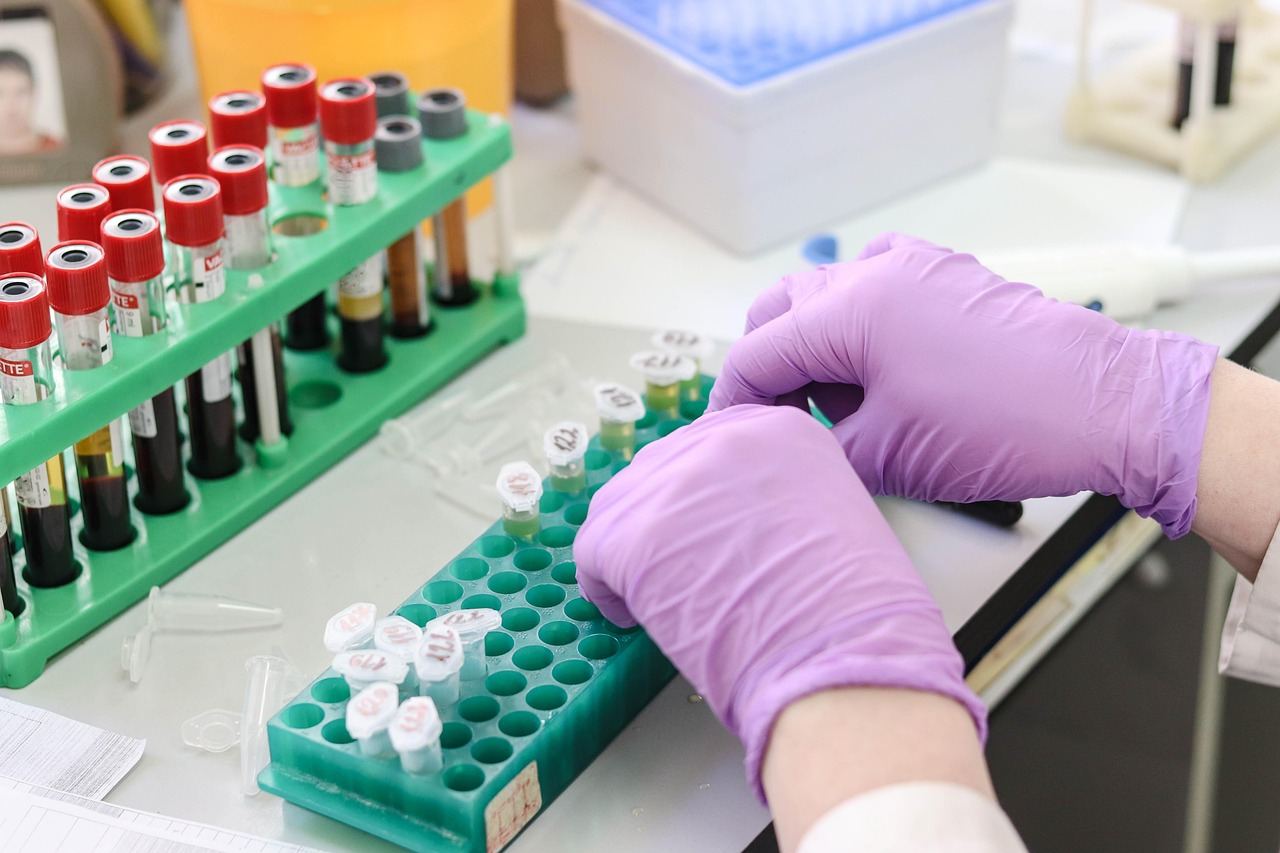
Experimental and investigational work
Between “approved” and “unproven” sits a large middle ground: investigational treatments. The ISSCR describes the stage this way: before a treatment becomes approved, it is considered an investigational treatment, a term used to describe stem cell treatments that are being tested in clinical trials but are not approved as effective and safe. Most of the stem cell work people read about in the news belongs here. It is real research, carried out by universities, hospitals and companies, and its results can be promising, mixed or negative.
Investigational does not mean ineffective, and it does not mean effective. It means the question is still open. Clinical trials exist to answer it in an orderly way, with defined participants, safety monitoring, comparison groups and predefined outcomes.
The FDA draws a firm line around this stage. In its patient information on regenerative medicine therapies, the agency says these products require FDA oversight in a clinical trial before approval. Oversight in a trial is what separates a research participant, who has informed consent, a protocol and a safety monitoring plan, from a customer buying an unregulated product.
Joint disease is a frequent focus, and the studies are summarized in stem cells for knee osteoarthritis. Lung disease is another, covered in copd stem cell therapy. Neurological conditions have drawn particular attention, and the status of trials is described in stem cell therapy for multiple sclerosis and stem cell therapy for parkinsons disease. Metabolic disease is the subject of stem cell therapy for diabetes.
Each of those guides asks the same questions. Was there a comparison group? Were the outcomes measured objectively? Did the result hold up when another team repeated it? A single small study, a case report or an uncontrolled series can raise a hypothesis, but it cannot establish that a treatment works. Experimental status is a statement about the state of the evidence, not a prediction about where the evidence will end up.
Unproven offerings and reported safety concerns
The FDA is blunt about products sold outside the approval system. Its patient information notes that there continues to be broad marketing of unapproved products considered regenerative medicine therapies intended for the treatment or cure of a wide range of diseases or medical conditions. These include stem cells, fat-derived cells known as stromal vascular fraction, umbilical cord blood products, amniotic fluid, Wharton’s jelly and exosomes. The practical warning signs, and how they appear in advertising, are laid out in the guide to unproven stem cell clinics.
The agency also lists the kinds of harm it has received reports about. Its page states that the FDA has received reports of blindness, tumor formation, infections and more due to the use of these unapproved products. The listed concerns include bacterial infections, reactions at the site where cells are collected or given, unwanted immune responses, cells moving to another part of the body and growing where they should not, and contamination during processing. A fuller look at what has been reported appears in the guide to stem cell therapy risks.
One tactic deserves a special mention. The FDA warns that patients are sometimes referred to ClinicalTrials.gov, or told that a product is registered with the agency, as a way to suggest compliance. The agency says this is often false: the inclusion of a product in the clinicaltrials.gov database, or the fact that a firm has registered with FDA and listed its product, does not mean the product is legally marketed. A registry entry is a record that a study exists, not a quality mark.
The same page adds a warning about money: if patients are being charged for these products or offered them outside a clinical trial, the FDA says they are likely being deceived and offered a product illegally. Payment for an unapproved biologic outside a trial is therefore itself a signal to stop and ask questions. A practical checklist of those questions is in the guide on questions to ask before stem cell treatment.

Reading claims about specific conditions
Advertising for unapproved products tends to name conditions, because a named condition is what a worried reader searches for. The FDA addresses this directly. The consumer alert states that none of these products have been approved for the treatment of any orthopedic condition, such as osteoarthritis, tendonitis, disc disease, tennis elbow, back pain, hip pain, knee pain, neck pain or shoulder pain. It makes parallel statements for neurological disorders, including multiple sclerosis, ALS, Alzheimer’s disease, Parkinson’s disease, epilepsy and stroke, and for heart and lung disease, including heart disease, emphysema and COPD. The alert applies the same statement to autism, macular degeneration, blindness, chronic pain and fatigue.
That list is a useful filter. When a page promises that a stem cell product addresses a condition on it, the regulatory position is that the product has not been approved for that purpose. Whether a given investigational approach is eventually approved is a question for trial results, not for testimonials, before-and-after photographs or a clinic’s own statistics.
The alert also names the cell sources most often promoted for these conditions: products derived from adipose tissue (stromal vascular fraction), human umbilical cord blood, Wharton’s jelly and amniotic fluid. Naming a source does not make a product safe or effective, and a source that is approved for one purpose is not approved for another. Cord blood is the clearest example: its approved use is to rebuild blood production in disorders of the blood system, not to treat joint, brain or lung disease.
Language is another clue. Approved therapies are described with a named condition, a defined group of patients and known risks. Unproven offerings tend to describe broad benefits, use words such as “regenerate”, “reset” or “heal”, and offer little detail about who was studied. The ISSCR cautions that unproven stem cell “treatments” have not been evaluated in rigorous clinical trials and thus have not been shown to be effective or safe, and that they can cause physical, psychological or financial harm.
Making sense of the evidence and the decision
Taken together, the picture is consistent across the regulators and professional bodies cited here. A small group of treatments, centered on blood-forming stem cells, is established. A larger group is being tested in clinical trials, with open questions about benefit and safety. A third group is sold without review, and the agencies that regulate them have documented harm.
For a reader trying to place a specific offer, a short sequence helps. Identify the exact product and its cell source. Check whether it has been licensed for the exact condition in question, using the FDA’s own materials. If it has not, check whether it is offered inside a registered clinical trial with independent oversight, remembering that a registry entry alone proves nothing about legality. Look at what is being asked of the participant, including cost, since the FDA treats charging for an unapproved product outside a trial as a red flag. The guide to fda approved stem cell treatments gives the short list of licensed products and what each is approved for.
The ISSCR’s patient guide frames the goal as helping patients make well-informed decisions alongside their primary care physicians or specialists. That is the right frame for every article on this site: general information on research and regulation can prepare a reader to ask better questions, but decisions about any treatment belong with a licensed physician who knows the reader’s medical history and situation. A physician can also say whether a clinical trial is an appropriate option and how to evaluate its sponsor and oversight.
Independent research continues, and regulatory lists are updated over time. Readers who want the broader context can start with the overview of regenerative medicine and the research guide linked near the top of this page, and can return to the FDA’s own pages for the current position on any product.
Frequently asked questions
Is stem cell therapy approved by the FDA?
Show answer
Some products are. Cord-blood blood-forming cells, approved for blood-production disorders, are the longest-established, and a small number of other cell products are licensed for narrow uses (see FDA-approved stem cell treatments).
What is the difference between an investigational and an unproven treatment?
Show answer
An investigational treatment is being tested in a clinical trial under oversight. The ISSCR describes it as not yet approved as effective and safe. An unproven treatment is offered without rigorous evaluation in trials and has not been shown to be effective or safe.
Does a listing on ClinicalTrials.gov mean a stem cell product is legal?
Show answer
No. The FDA states that a product’s inclusion in the ClinicalTrials.gov database, or a firm’s registration with the agency, does not mean the product is legally marketed.
What are stem cell transplants used for?
Show answer
The National Cancer Institute says they are most often used for cancers that affect blood cells, such as leukemia, lymphoma and multiple myeloma, and for some other blood disorders such as aplastic anemia and sickle cell disease.
Who should decide whether a treatment is appropriate?
Show answer
A licensed physician who knows the reader’s medical situation. General guides can help frame questions, but they cannot assess an individual case.