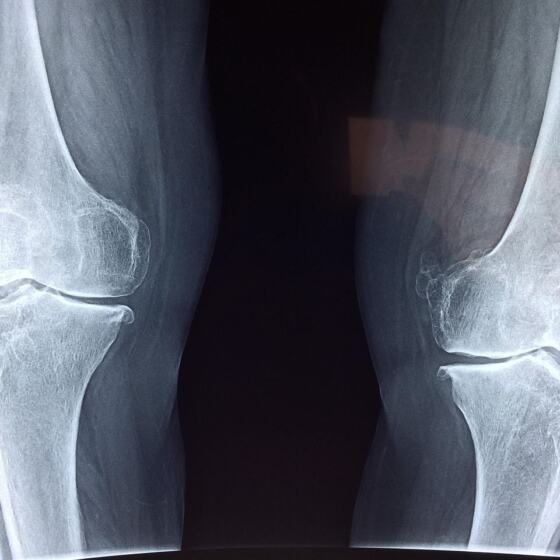

Stem cell therapy for diabetes is being tested mainly in type 1 diabetes, where the goal is to replace lost insulin-producing islet cells. No stem cell product is FDA-approved for diabetes, and the strongest early results come from small, short trials.
The wider distinction between approved and investigational cell products is explained in what is stem cell therapy, and this page applies it to a single, closely watched research area.
Why type 1 diabetes is a research target
A network meta-analysis in BMC Medicine describes type 1 diabetes as characterised by the immune-mediated destruction of pancreatic beta cells. Because the insulin-producing cells are lost, replacing them is a logical research goal, and stem cells that can be directed to become islet cells are one way to make them in the laboratory.
A 2026 review in Diabetic Medicine explains why researchers want an alternative to donor islets. Islets made from human embryonic and induced pluripotent stem cells are described there as a scalable and standardised alternative under investigation.
Regulatory status
The FDA consumer alert on regenerative medicine products, from 2020, says the only FDA-approved stem cell products at that time were blood-forming stem cells derived from umbilical cord blood, approved for disorders that affect the production of blood and not for other uses. On December 18, 2024, the FDA approved Ryoncil, a donor bone marrow-derived mesenchymal stromal cell therapy, for steroid-refractory acute graft-versus-host disease in children; the FDA’s list of approved cellular and gene therapy products is the current reference. Diabetes is not among the approved uses. The short, specific list is covered in the article on FDA approved stem cell treatments.
The ISSCR patient guide adds a biological reason for caution about generic claims. It explains that if you have diabetes, receiving a blood-forming stem cell treatment does not make sense, because the problem is in the pancreas rather than in the blood itself.
- Only approved stem cell products are cord-blood-derived: Only approved stem cell products are cord-blood-derived
- Approved only for blood production disorders: Approved only for blood production disorders
- Diabetes example: Diabetes example
- Experimental not equal trial: Experimental not equal trial
- Beware unapproved treatments: Beware unapproved treatments
A phase 1-2 trial of stem cell-derived islet cells
The most discussed recent result is a phase 1-2 study of an allogeneic, stem cell-derived islet-cell therapy in people with type 1 diabetes, published in the New England Journal of Medicine in 2025. Participants received the cells as an infusion into the portal vein of the liver and also received immunosuppressive therapy. A total of 14 participants completed at least 12 months of follow-up and were included in the analyses.
The authors reported that all 14 participants showed engraftment and islet function, shown by detectable C-peptide, a marker of the body’s own insulin production. Among the 12 who received the full dose, all were free of severe hypoglycemic events and 10, or 83%, were not using exogenous insulin at day 365. The investigators described it as a small, short-term study that supports the hypothesis that the product can restore physiologic islet function and warrants further clinical investigation.

The same report records the costs and uncertainties. Neutropenia was the most common serious adverse event, occurring in 3 participants, and two deaths occurred, one from cryptococcal meningitis and one from severe dementia that the authors attribute to the progression of preexisting neurocognitive impairment. The analyses were interim and not prespecified, and all participants needed immunosuppression, which is a significant burden in itself.
What pooled analyses of other cell approaches show
Results from other cell approaches are much less striking. A systematic review and meta-analysis of stem cell therapy in this condition included eight reports from seven RCTs (169 participants). It found a marginal reduction in HbA1c at 6 months but not at 12 months, and slight improvement in fasting C-peptide at both 6 months and 12 months. None of the participants achieved insulin independence or had serious adverse events, and the authors rated the certainty of evidence as very low for all outcomes.
Their interpretation was that any benefits were of limited clinical significance, and that well-designed, adequately powered randomized trials are required to establish a therapeutic role.
What researchers are working on next
The Diabetic Medicine review lists several open problems. It says strategies to reduce or eliminate systemic immunosuppression, through local immunomodulation, gene editing and encapsulation technologies, may further broaden access to stem cell-derived islets. It also says that alternative delivery sites are being considered and that ethics, infrastructural and economic considerations remain central to equitable implementation.
The review describes early investigational products as demonstrating potential for insulin independence, wording that reflects where the field stands: promising signals in small groups, with many practical questions about safety, scale and cost still to be answered. A therapy that depends on lifelong immunosuppression would be a very different proposition from one that could avoid it, which is why that question dominates current research planning.
Trial participation versus treatment for sale
People with diabetes who read about these results may also see clinics advertising cell injections. The ISSCR guide says that the fact that a procedure is experimental does not automatically mean that it is part of a research study or clinical trial, and describes responsible trials as building on preclinical data, being overseen by an independent ethics committee, and being listed in a recognised trial registry.
The guide also warns that receiving one unproven or experimental treatment may make a person ineligible for future clinical trials or treatment options. For a condition where well-run trials are producing early results, that point is worth weighing carefully with a physician before anything else.
How to read this evidence
Three points help in judging reports about stem cells and diabetes. First, the cell type matters: stem cell-derived islets that replace the missing cells are a different strategy from mesenchymal cells given for immune effects, and the trial results differ accordingly. Second, immunosuppression is part of the picture in the trial above, so the benefit has to be weighed against the burden of those drugs. Third, small and short studies cannot settle long-term safety or durability.
The ISSCR guide also cautions against treatments offered without regulatory approval or outside a legitimate and registered clinical trial, and states that cells from a person’s own body are not automatically safe. Research on replacing lost cells raises related questions in other conditions, as in the summary of stem cell therapy for Parkinsons disease research.
Decisions about diabetes care, including whether to take part in a trial, belong with a licensed physician or endocrinologist who knows the reader’s situation. Insulin and other established treatments should not be changed on the basis of research headlines.
Frequently asked questions
Is stem cell therapy approved for diabetes?
Show answer
No stem cell product is FDA-approved for diabetes.
What is the main stem cell strategy being tested in type 1 diabetes?
Show answer
Replacing lost insulin-producing islet cells with islet cells grown from embryonic or induced pluripotent stem cells, which are still investigational.
Do the early trial results mean a cure exists?
Show answer
No. The authors of the phase 1-2 study call it a small, short-term study that warrants further clinical investigation, and participants needed immunosuppression.
Do mesenchymal stem cells help in type 1 diabetes?
Show answer
Pooled analyses report at most marginal changes in some measures with very low certainty of evidence, and call for larger, better-designed randomized trials.