Stem cell therapy for Parkinsons disease is being tested in early-stage clinical trials. No stem cell product is approved for it, and the 2025 trial reports describe safety and feasibility in small groups rather than proven benefit.
This page covers what the trials tested and what their design can and cannot show, as a condition-specific companion to what is stem cell therapy. It is general education, not medical advice.
Why Parkinson’s disease attracts cell replacement research
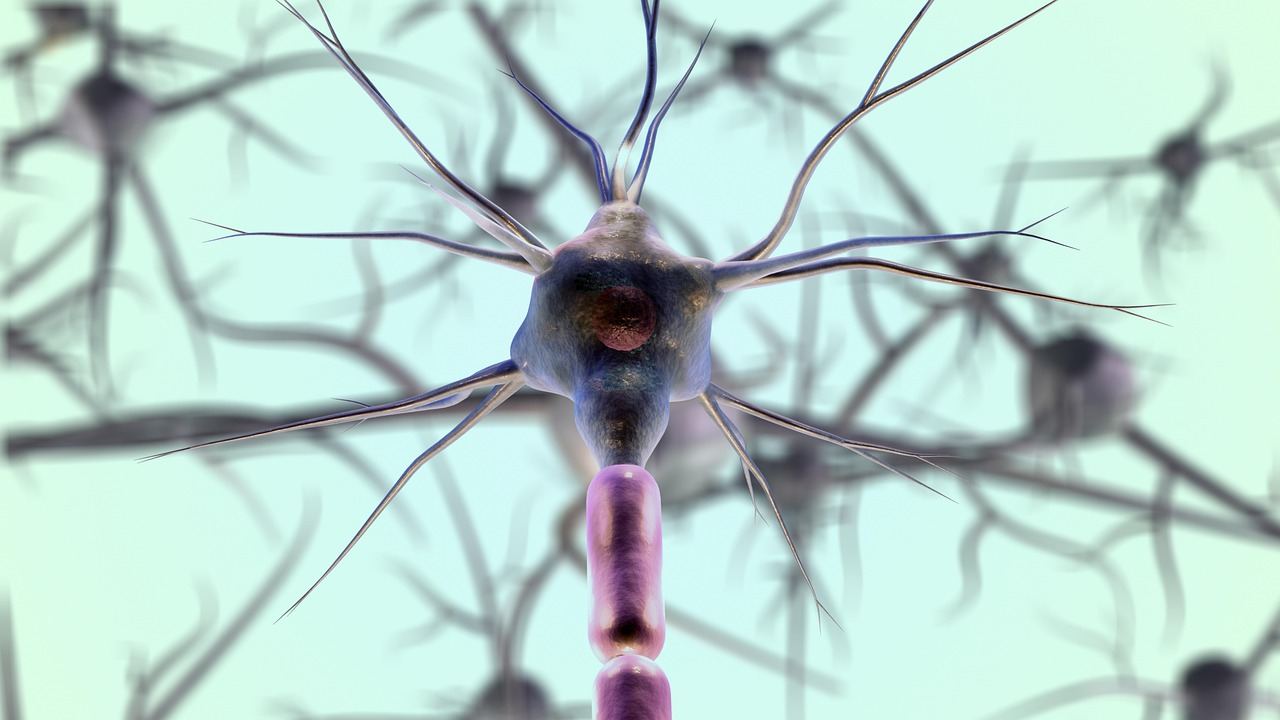
A 2025 Nature report from Kyoto University begins from the point that Parkinson’s disease is caused by the loss of dopamine neurons, which causes motor symptoms. A second 2025 Nature report from a team in New York describes the condition as progressive and characterized by the loss of midbrain dopaminergic neurons, with a diminished response to symptomatic medical or surgical therapy as the disease advances.
Because one defined cell type is lost, the disease has long looked like a candidate for cell replacement, which aims to supply new dopamine-producing cells to the part of the brain where they are needed. The Kyoto authors note that initial cell therapies using fetal tissue showed promise but had complications and ethical concerns, and that pluripotent stem cells emerged as an alternative for developing safe and effective treatments. That is a research goal, not a result.
Cell types being tested
Recent trials use pluripotent stem cells, which can be grown in large amounts and directed in the laboratory to become dopamine-producing progenitor or neuron-like cells before transplantation. Two sources appear in the 2025 reports.
- Induced pluripotent stem cells. These are made by reprogramming adult cells. The Kyoto trial used allogeneic cells, meaning cells from a donor rather than the patient.
- Human embryonic stem cells. The New York trial used a cryopreserved, off-the-shelf product made from embryonic stem cells and grafted into the putamen.
Both approaches involve surgery to place cells in the brain, which carries its own procedure risks, and the New York trial gave participants immunosuppression for a year after transplantation.
What the Kyoto iPS cell trial reported
The Kyoto phase I/II trial transplanted dopaminergic progenitors derived from iPS cells into seven patients. Its primary outcomes focused on safety and adverse events, with motor symptoms and dopamine production assessed as secondary outcomes over 24 months. The report states that there were no serious adverse events, and that magnetic resonance imaging showed no graft overgrowth. Brain imaging indicated that the transplanted cells survived and produced dopamine.
The authors conclude that the findings suggest safety and potential clinical benefits. Efficacy was evaluated in six of the patients. Changes in rating scales in a handful of patients, without a comparison group in the report’s design, cannot separate a real effect from placebo response or normal day-to-day variation, so the trial’s main message is about safety and feasibility.
What the New York embryonic stem cell trial reported
The New York phase I trial was open-label, enrolling twelve patients in two dose cohorts. The authors report that it achieved its primary objectives of safety and tolerability one year after transplantation, with no adverse events related to the cell product, and that imaging at 18 months indicated graft survival. They describe secondary clinical outcomes as improvement or stability and state that no graft-induced dyskinesias occurred.
The authors write that the data support future definitive clinical studies. In trial terminology, that is a statement about the next step: a larger controlled study that would test whether any benefit is real. Open-label means participants and investigators knew who received the cells, which is why the report cannot establish effectiveness.
How to read an early-phase trial report
Early-phase reports use a particular vocabulary, and knowing it prevents over-reading. A phase I trial is designed first to ask whether a product can be given safely, so its primary outcome is safety and tolerability. Efficacy measures, such as rating scales for movement, are usually secondary or exploratory, and the authors of both 2025 reports describe them that way.
Several features of the reports deserve attention. The number of participants is small, so a single unusual result can shift an average. Participants and investigators knew a transplant had taken place, which can influence how symptoms are rated. Brain imaging that shows surviving cells is a biological signal, and it is not the same as a change in how a person functions day to day. And a trial that reports no serious problems cannot rule out rarer harms, which only larger and longer studies can detect.
None of this makes the reports unimportant. They show that a long-standing research idea has reached the stage of careful testing in people, with safety results that justify further study. They simply do not answer the question most readers care about, which is whether the treatment helps, and the authors say as much by calling for larger clinical studies.
Regulatory status
The FDA’s consumer information on regenerative medicine therapies states that these therapies have not been approved to treat any neurological disorder, and its list includes Parkinson’s disease. The agency says that being charged for such products, or being offered them outside a clinical trial for which it has oversight, suggests the offer is illegal, and it lists safety concerns that include tumor formation and bacterial infection.
The trials described above are investigational studies run under clinical trial protocols, which is a different situation from a clinic selling cells directly. Researchers in other conditions face the same distinction, as seen in work on stem cell therapy for multiple sclerosis and stem cell therapy for diabetes.
Open questions
- Controlled evidence. Larger studies with a comparison group are needed to separate treatment effect from placebo response.
- Durability. The Kyoto trial assessed outcomes for up to 24 months, and longer follow-up is needed for a disease that lasts many years.
- Immune protection. Donor-derived cells may need immunosuppression, which has its own risks.
- Side effects of grafts. Overgrowth and unwanted movements are watched for, and trials report them as safety outcomes.
- Who might benefit. It is not yet known which patients, at which stage, would be suitable for a future approved product.
Decisions about any treatment, including whether a clinical trial could be appropriate, belong with a licensed physician who knows the reader’s medical situation. Parkinson’s disease already has established medical and surgical treatments that a neurologist can explain.
Frequently asked questions
Is there an FDA-approved stem cell treatment for Parkinson’s disease?
Show answer
No. The FDA states that regenerative medicine therapies have not been approved to treat any neurological disorder, and it names Parkinson’s disease in that list.
What did the recent Parkinson’s cell trials test?
Show answer
They tested whether dopamine-producing cells made from pluripotent stem cells could be transplanted safely and survive in the brain. Both reports describe early-stage trials with small numbers of patients.
Do these trials show that the cells work?
Show answer
Not yet. The reports describe safety outcomes and signals on imaging and rating scales, and the New York authors write that the data support future definitive clinical studies.
Why do the trials use immunosuppression?
Show answer
In the New York trial, all participants received a year of immunosuppression, as part of the trial protocol.