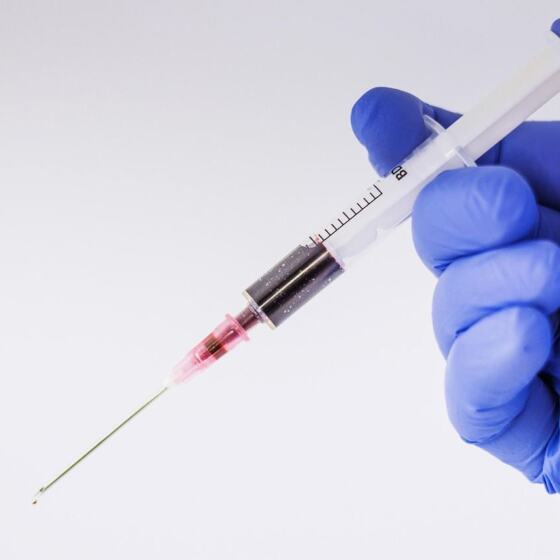
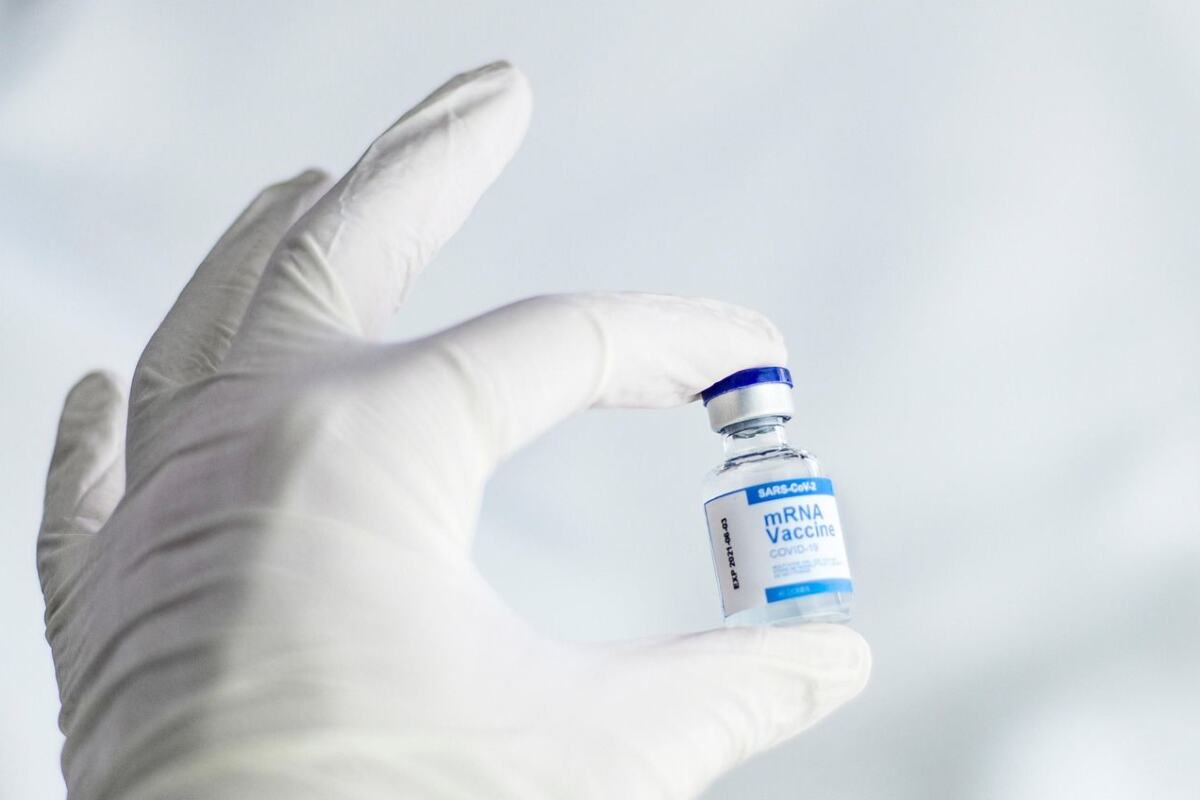
The FDA approved stem cell treatments in the United States are a short list of products made from blood-forming cells in umbilical cord blood, plus a few other cell therapies for narrow uses. Everything else remains investigational.
This page gives the regulatory picture behind what is stem cell therapy, so readers can tell approved products from experimental ones. It is general education, not medical advice, and it does not describe any treatment as effective for any individual.
What “FDA-approved” means for a cell product
In the United States, the Food and Drug Administration regulates regenerative medicine products. A cell product that is marketed to consumers needs FDA licensure or approval, and before approval it needs FDA oversight in a clinical trial. The agency maintains a public list of licensed cellular and gene therapy products, described as “a list of licensed products from the Office of Therapeutic Products”, on its approved cellular and gene therapy products page.
That list is broader than the phrase “stem cell” suggests. It includes engineered immune cell products such as Kymriah, gene therapies delivered by viral vectors, and cultured tissue products. A product being on the list says that the FDA licensed it for a defined use in a defined patient group. It does not mean the same cells are approved for any other condition.
Cord blood stem cells: the long-standing approved category
According to the FDA’s patient and consumer information on regenerative medicine therapies, last updated in 2024, the only stem cell products that are FDA-approved for use in the United States consist of blood-forming stem cells, also known as hematopoietic progenitor cells, derived from umbilical cord blood. The same page states that these products are approved for patients with disorders that affect the production of blood, and not for other uses. On December 18, 2024, the FDA approved Ryoncil, a donor bone marrow-derived mesenchymal stromal cell therapy, for steroid-refractory acute graft-versus-host disease in children; the FDA’s list of approved cellular and gene therapy products is the current reference.
In practice, these are transplant products. Blood-forming stem cells from donated cord blood are infused so that a patient’s blood and immune system can be rebuilt after conditions or treatments that damage them. This is a very different thing from injecting cells into a joint, the spine or the bloodstream to address an unrelated complaint.

Other licensed cell therapies with narrow indications
A few additional licensed products involve cells that are related to stem cell science. Each has a tightly written indication, which is the FDA’s statement of exactly who the product is for.
- Omisirge is an umbilical cord blood based product. The FDA’s Omisirge page lists its use in people with blood cancers who are planned for cord blood transplantation after myeloablative conditioning, and in people with severe aplastic anemia after reduced intensity conditioning. The FDA’s page lists an approval letter dated April 17, 2023.
- Lantidra is made of donor pancreatic islet cells. Its FDA product page gives the indication as treatment of adults with Type 1 diabetes who cannot approach target HbA1c because of repeated episodes of severe hypoglycemia despite intensive management. The approval letter on that page is dated June 28, 2023.
- Casgevy is a gene-edited cell therapy built from a patient’s own blood-forming stem cells. The FDA’s Casgevy page lists sickle cell disease with recurrent vaso-occlusive crises and transfusion-dependent beta-thalassemia, with a first approval letter dated December 8, 2023.
- Ryoncil is a donor bone marrow-derived mesenchymal stromal cell therapy. The FDA’s approval announcement, dated December 18, 2024, gives the indication as steroid-refractory acute graft-versus-host disease in pediatric patients 2 months of age and older, and describes Ryoncil as the first FDA-approved mesenchymal stromal cell therapy.
Lantidra is an islet product rather than a stem cell product. It is included because readers researching stem cell therapy for diabetes often meet it, and it shows how narrow a licensed indication can be.
Conditions for which no stem cell product is approved
The FDA states plainly where approvals do not exist. Its consumer page says regenerative medicine therapies have not been approved to treat any neurological disorder, such as multiple sclerosis, and that they have not been approved for any orthopedic condition, such as osteoarthritis. The same page extends that statement to heart and lung disease, autism, macular degeneration and chronic pain.
These statements describe regulatory status. They are not a verdict on future research, and some of these areas are under active study in trials. They do mean that any product offered today for these conditions outside a clinical trial is, according to the FDA, likely being offered illegally: the agency says patients in that position are likely being deceived and offered a product illegally. The FDA also warns that registration of a product or its listing on ClinicalTrials.gov “does not mean the product is legally marketed”. The page on unproven stem cell clinics covers warning signs in more detail.
Why the approved list is so short
Approval requires evidence that a product is both safe and effective for a stated use. The FDA’s consumer page explains that regenerative medicine products carry risks but are often marketed as safe and effective for a wide range of diseases without having been adequately studied under an Investigational New Drug application. Among the safety concerns it lists are blindness, tumor formation, neurological events and bacterial infections.
The path to a license runs through staged clinical trials, first testing safety and then testing whether the product does what it is meant to do compared with a control. Many early results in cell research are promising in the laboratory or in small studies, yet fewer move through every stage. That gap between a promising early signal and a licensed product is the main reason the approved list stays short, and why researchers keep running trials rather than treating early findings as settled.
It also explains why the approved products sit where they do. Blood-forming cells have a long record in transplant medicine, with well-defined donors, matching and processing rules. Products for conditions without that history have had a harder time showing consistent, measurable benefit in controlled trials.
How to check a product’s status
A few practical habits help readers verify claims for themselves:
- Search the product’s name or type on the FDA’s list of approved cellular and gene therapy products linked above.
- Read the indication wording, which names the condition and the patient group. If the condition being offered is not named, the product is not approved for it.
- Treat “FDA-registered” or “FDA-cleared facility” as different from “FDA-approved product”. Registration of a facility does not approve the cells.
- Ask whether treatment is offered inside a clinical trial with FDA oversight, and where the trial record can be read.
Decisions about any treatment belong with a licensed physician who knows the reader’s medical situation and can discuss approved options and trial eligibility.
Frequently asked questions
Are there FDA approved stem cell treatments for knee pain or arthritis?
Show answer
The FDA states that regenerative medicine therapies have not been approved for any orthopedic condition, including osteoarthritis. Research on these uses continues in clinical trials.
Is cord blood the only stem cell source the FDA has approved?
Show answer
Cord blood derived blood-forming stem cells are the longest-established approved stem cell products, limited to disorders affecting the blood-forming system. Other licensed cell therapies on the FDA list, such as the mesenchymal stromal cell product Ryoncil, have separate, narrow indications.
Does a ClinicalTrials.gov listing mean a product is approved?
Show answer
No. The FDA says that a product’s presence in the ClinicalTrials.gov database does not mean it is legally marketed.
Where is the official list of approved cell and gene therapies?
Show answer
The FDA maintains it on its approved cellular and gene therapy products page, which is linked above and updated as new products are licensed.