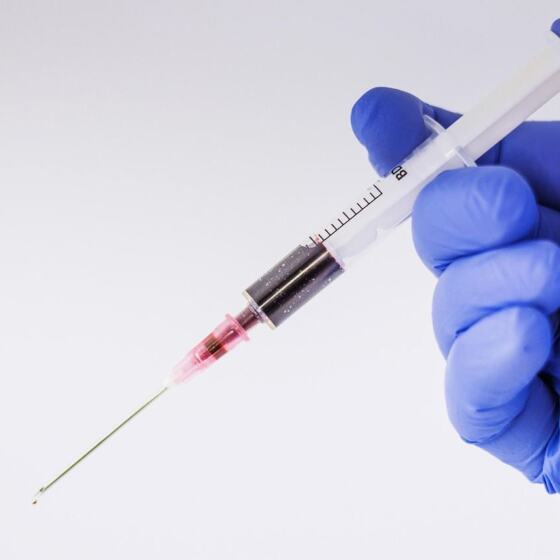

The questions to ask before stem cell treatment centre on approval status, trial registration, cell source, evidence and risk. Putting them to a licensed physician, before any commitment, turns advertising claims into something that can be checked.
For the wider background on what is approved and what remains experimental, see what is stem cell therapy, which this page builds on with a practical checklist.
Approval status of the product
The first question is regulatory. The FDA consumer alert on regenerative medicine products states that stem cell products are regulated by the FDA and, generally, all of them require FDA approval. In that 2020 alert, the FDA said the only stem cell products then approved in the United States were blood-forming stem cells derived from umbilical cord blood, approved for disorders affecting the production of blood and not for other uses. On December 18, 2024, the FDA approved Ryoncil, a donor bone marrow-derived mesenchymal stromal cell therapy, for steroid-refractory acute graft-versus-host disease in children; the FDA’s list of approved cellular and gene therapy products is the current reference.
A useful follow-up is to ask for the exact product name and the exact condition it is approved for. The same alert lists conditions for which none of these products have been approved, including orthopedic conditions such as osteoarthritis and neurological disorders such as multiple sclerosis and Parkinson’s disease. If the answer to the approval question is vague, that vagueness is itself information.
Registered clinical trial or treatment for sale
If a product is not approved, the next question is whether it is being offered inside a properly run research study. The patient guide from the International Society for Stem Cell Research (ISSCR) states that the fact that a procedure is experimental does not automatically mean that it is part of a research study or clinical trial.
The guide describes what responsible trials share. They build on preclinical laboratory and animal data, are overseen by an independent medical ethics committee, conform to regulatory requirements including a listing in a recognised trial registry, and are structured to answer specific questions, usually by comparing results with a control group. It also says that the cost of the new treatment and monitoring is not covered by the participant. Questions worth asking include:
- Which registry lists this study, and what is its registration entry?
- Which ethics committee oversees it?
- Is there a comparison group?
- Will participants be asked to pay for the treatment?
Matching the cell type to the condition
The ISSCR guide explains that, without manipulation in the lab, tissue-specific stem cells can only generate the other cell types found in the tissues where they live. For that reason it says it is unlikely that a single cell type can be used to treat a multitude of unrelated diseases involving different tissues or organs.

This gives readers a concrete question: how does this cell type, taken from this part of the body, relate to the tissue affected by the condition? The guide gives an example. Transplantation with blood-forming stem cells makes sense for a certain type of blood cancer, but a blood-forming stem cell treatment for diabetes does not, because the problem is in the pancreas rather than in the blood itself.
It also advises viewing clinics that offer the same cell treatment for a wide variety of conditions with extreme caution, and being wary of claims that stem cells will somehow just know where to go and what to do.
What the evidence shows
Evidence questions should be specific to the condition. The ISSCR guide says the list of diseases for which stem cell treatments have been shown to be beneficial is still very short, with hematopoietic stem cell transplantation the best-defined and most extensively used. All other applications are described as yet to be proven in clinical trials and highly experimental.
The guide also explains why testimonials are a weak substitute for trial data. A person may feel better after treatment because of an intense belief that it will work, accompanying treatments, lifestyle changes or natural fluctuations in the disease, and those factors are difficult to measure outside carefully designed clinical trials. Useful questions include which published studies concern this exact product and condition, who ran them, and whether they compared treated patients with an untreated group.
For readers considering a specific joint condition, the summary of stem cells for knee osteoarthritis describes how research on one common target looks when read closely.
What are the risks and who answers for them
Risk questions deserve as much attention as benefit questions. The ISSCR guide says that cells from a patient’s own body are not automatically safe, because cells removed from the body may be contaminated with viruses, bacteria or other pathogens, laboratory manipulation may interfere with normal cell function, and some clinics inject cells into places where they do not belong. It also warns that complications may create new short- and long-term health problems and may make a condition more difficult to manage.
The same guide notes that receiving one unproven or experimental treatment may make a person ineligible for future clinical trials or treatment options, and that insurance companies and government health programs generally do not cover the cost of experimental treatments. A fuller review is in the article on stem cell therapy risks. Questions to raise include what complications have occurred, how they are handled, who is responsible for follow-up care, and what the total out-of-pocket cost would be including travel and accommodation.
How the treatment is marketed
How a treatment is promoted also says something about it. According to the ISSCR guide, most specialised doctors receive patient referrals, while clinics selling stem cell treatments tend to market directly to patients through persuasive language on the internet, social media and in newspaper advertisements. The guide adds that such clinics frequently overstate the benefits of their offerings.
The FDA alert makes a related observation, saying there is a lot of misleading information on the internet about these products, including statements about the conditions they can be used to treat. Readers can ask whether the claims on a clinic’s website match the approval status the clinic describes in person, and whether the clinic can point to published results rather than patient stories. A clear, documented answer is a good sign; a reply that shifts to enthusiasm or urgency is worth noting.
Taking the answers to a physician
Decisions about any treatment belong with a licensed physician who knows the reader’s diagnosis and history. The ISSCR guide recommends discussing its points and any research gathered with a primary care physician and other trusted members of the healthcare team, and suggests getting input from loved ones as well.
The FDA alert also says that people with questions about how a regenerative medicine product is regulated, including whether FDA approval is required or whether a product is approved, are urged to contact the agency. It encourages anyone who was hurt or had a bad side effect after treatment with a purported regenerative medicine product to report it through the FDA’s MedWatch Adverse Event Reporting program.
Frequently asked questions
Which question should come first?
Show answer
Whether the exact product is FDA-approved for the exact condition. If it is not, the next question is whether it is offered within a registered clinical trial.
Does a clinic’s own testimonial count as evidence?
Show answer
Not in the ISSCR’s view. Feeling better after a treatment can reflect belief, accompanying care or natural change in the condition, which only well-designed trials can separate.
Is it reassuring if the cells come from my own body?
Show answer
Not by itself. Collecting, processing and returning cells carries contamination and placement risks even when the source is the patient.
Who can confirm whether a product requires approval?
Show answer
The FDA invites patients to contact it about how a regenerative medicine product is regulated, and a licensed physician can help interpret the answer for an individual situation.