What is regenerative medicine? It is the field of medicine that develops ways to repair, replace or rebuild damaged cells, tissues and organs, using cells, engineered materials and the body’s own repair systems.
The field is broad, and it is often discussed together with stem cell research and with what is stem cell therapy questions. This guide explains how the term is used, which methods sit under it, what regulators have approved, and how strong the evidence is.
How the term is defined
The National Institute of Biomedical Imaging and Bioengineering (NIBIB) describes the field in a NIH fact sheet on tissue engineering and regenerative medicine. It says regenerative medicine “is a broad field that includes tissue engineering but also incorporates the idea of self-healing,” where the body uses its own systems, sometimes with help from added biological material from outside the body, to recreate cells or rebuild organs.
That definition has two parts worth separating. One part is replacement: placing cells, tissue or an engineered construct into a person to stand in for something damaged or missing. The other part is stimulation: encouraging repair that the body can already carry out, for example by delivering signals or cells that influence healing tissue.
The same fact sheet notes that the terms tissue engineering and regenerative medicine have become largely interchangeable. In everyday writing, regenerative medicine can also cover cell therapies, gene therapies, biomaterials and organ-on-chip research, so the label alone says little about whether a specific product has been tested or approved. The FDA consumer alert on regenerative medicine products makes the same point from the regulatory side: the agency regulates products described this way, and the term does not signal that a product has been shown to work.
This distinction matters for readers. “Regenerative” is a description of a scientific aim, not a quality guarantee. Each product or procedure has its own evidence record, and that record is what counts.
The main fields inside regenerative medicine
Researchers usually group the work into a handful of overlapping areas. Each uses different tools, and each is at a different stage of development.
Cell-based approaches
Cell-based work uses living cells as the active ingredient. The cells may come from the patient or from a donor, and they may be changed in the laboratory before use. The ISSCR patient resource on stem cell treatments explains that a stem cell treatment uses stem cells, or specialized cells derived from them, to replace or repair cells or tissues that are damaged or absent. Readers new to the biology can start with what are stem cells for the basic concepts, then move to types of stem cells for the ways researchers classify them by what they can become.
Several cell sources recur in the literature. Embryonic vs adult stem cells is one of the oldest distinctions, and it carries ethical as well as scientific questions. Induced pluripotent stem cells are adult cells reprogrammed in the laboratory to behave like early-stage cells. Mesenchymal stem cells are studied for their roles in connective tissues and in signaling, and adipose stem cells are a research source of such cells found in fat tissue.
The ISSCR resource adds a safety point: undifferentiated pluripotent stem cells are unsafe to inject into a patient because they could cause tumors to form. Cells used in medicine therefore usually need to be guided into a specific, controlled state first.

Tissue engineering
Tissue engineering combines scaffolds, cells and growth signals to build functional tissue. The NIBIB fact sheet describes the usual sequence: a scaffold is built from materials ranging from proteins to plastics, then cells, with or without a mix of growth factors, are introduced, and if the environment is suitable a tissue develops. A second method strips the cells from a donor organ and reuses the remaining collagen scaffold as a base for new tissue. The step-by-step logic is covered in what is tissue engineering.
The fact sheet is candid about status. It states that tissue engineering currently plays a relatively small role in patient treatment, and that complex tissues such as heart, lung and liver have been recreated in the laboratory but are a long way from being ready to implant. Engineered tissues are, however, already useful in research, where they can help screen medication candidates.
Blood stem cell transplantation
The longest-established use of stem cells in medicine involves blood-forming cells. The ISSCR resource says doctors have been transferring healthy blood stem cells to replace diseased ones for more than 50 years, and that the first conditions treated by accepted stem cell treatments were certain cancers of the blood and selected immunological conditions. The same page says blood stem cells can be collected from bone marrow, circulating blood or umbilical cord blood. For the procedure itself, see hematopoietic stem cell transplant, and for the storage side of cord blood, see cord blood banking.
This is the clearest example of a regenerative-style therapy with a long clinical record, which is also why it is used as the benchmark when other cell products are compared.
Gene and engineered immune cell therapies
The FDA page on regenerative medicine advanced therapy designation notes that, based on the agency’s interpretation of the law, certain human gene therapies and xenogeneic cell products may also meet the definition of a regenerative medicine therapy. These areas share manufacturing and regulatory frameworks with cell therapy, which is why they appear on the same FDA list.
What is approved and what is investigational
Regulatory status is the most reliable way to separate established therapies from experimental ones. The FDA maintains a public list of approved cellular and gene therapy products. Each entry on that list has a specific, approved use, and approval of one product does not extend to others that resemble it.
The FDA’s consumer alert is direct about the limits. In that 2020 consumer alert, the FDA said that the only stem cell products FDA-approved for use in the United States consisted of blood-forming stem cells derived from umbilical cord blood, approved for patients with disorders that affect the production of blood, and that these were not approved for other uses. On December 18, 2024, the FDA approved Ryoncil, a donor bone marrow-derived mesenchymal stromal cell therapy, for steroid-refractory acute graft-versus-host disease in children; the FDA’s list of approved cellular and gene therapy products is the current reference. The alert also says there are no FDA-approved exosome products. Products derived from adipose tissue, umbilical cord blood, Wharton’s jelly or amniotic fluid are named in the alert, with the statement that none have been approved for treating orthopedic conditions, neurological disorders, or cardiovascular and lung diseases, among others.
The two statements are consistent once the scope is clear. The approved list covers specific, tested products with defined uses. The consumer alert warns about the much larger group of marketed products outside that list. A reader who sees the phrase “regenerative medicine” in an advertisement can check the product against the FDA list rather than relying on the label.
| Category | Typical status | Example |
|---|---|---|
| Blood stem cell transplant | Established, with approved cord blood products | Treatment of blood and immune disorders |
| Cultured skin and cartilage products | Approved for specific uses | Gintuit, StrataGraft, MACI |
| Engineered organs and complex tissues | Mostly experimental | Heart, lung and liver tissue made in the laboratory |
| Exosome products | No FDA-approved products | Products marketed as regenerative |
The table summarizes the FDA’s list of approved cellular and gene therapy products and the FDA consumer alert, with the engineered-tissue row drawn from the NIBIB fact sheet.
How regulators speed up promising candidates
Regulators do not only restrict products; they also run programs for candidates that show early promise. Under the regenerative medicine advanced therapy designation pathway, a drug is eligible if it is a regenerative medicine therapy, defined as a cell therapy, therapeutic tissue engineering product, human cell and tissue product, or a combination product using them. It must also be intended to treat, modify, reverse or cure a serious or life-threatening disease or condition, and preliminary clinical evidence must indicate that it has the potential to address unmet medical needs.
The designation is a development tool, not an approval. The FDA page states that the request is made together with, or as an amendment to, an investigational new drug application, which means the product is still being studied. Receiving designation signals that a sponsor has early evidence and can work more closely with the agency; it does not tell a patient that the product has been shown to work.
This matters because news coverage sometimes treats designations and early-phase results as if they were approvals. The steps that follow designation, including larger controlled trials and a full review of safety and manufacturing, are where most candidate therapies succeed or fail.
Reading the evidence
Not every study carries the same weight. A small early study without a control group can show that a procedure appears safe in a few people, but it cannot show that the procedure caused any change. Randomized, controlled trials, in which comparable participants receive the studied product or a comparison, are better at separating real effects from chance and from the natural course of a condition.
Readers can look at where a claim comes from. The ISSCR resource defines approved stem cell treatments as those backed by convincing evidence of efficacy and safety, approved by the appropriate regulatory bodies and widely accepted by the global medical community. It says there are active clinical trials using stem cell treatments for conditions including diabetes, Parkinson’s disease and age-related macular degeneration, and that other stem cell treatments remain experimental.
A useful set of questions follows from that. Is the product approved for the specific condition? Is it being studied in a registered clinical trial? Who reviewed the safety data? The ISSCR resource advises potential patients to be wary of clinics marketing one stem cell treatment for a diversity of different diseases that affect different parts of the body.

Research uses beyond treating patients
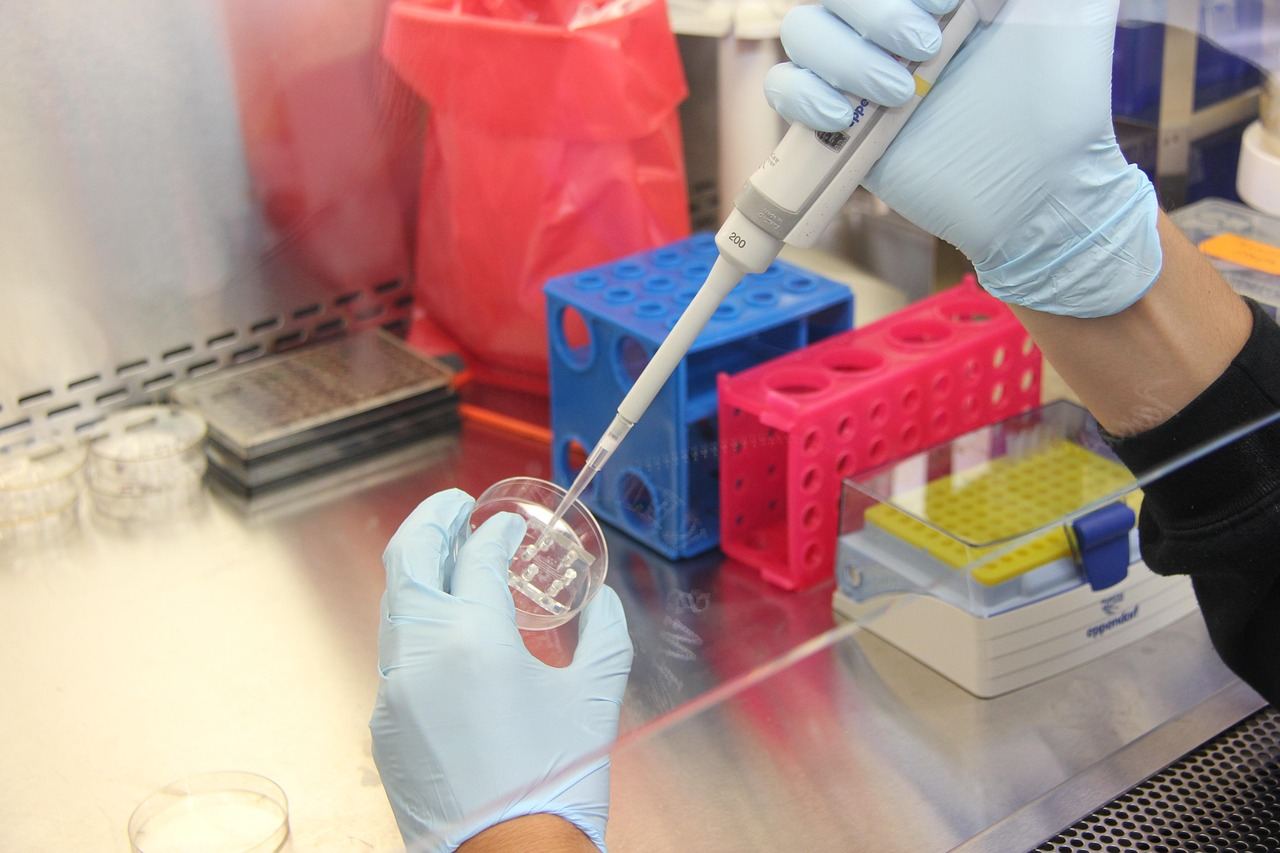
Much of the activity in regenerative medicine is laboratory work rather than patient care. The NIBIB fact sheet says that, in addition to medical applications, non-therapeutic uses include using tissues as biosensors to detect biological or chemical threat agents, and tissue chips that can be used to test the toxicity of an experimental medication. These tools let scientists study human tissue behavior without exposing people or animals to untested substances.
The same document describes fundamental studies on how cells respond to their surroundings. It reports that two NIBIB researchers grew pluripotent cells, which are stem cells able to turn into any kind of cell, in different types of defined spaces and found that this confinement triggered very specific gene networks that determined the ultimate fate of the cells. Findings like this explain why basic cell biology receives so much attention: a therapy built on cells can only be as controlled as the understanding of what instructs those cells.
The fact sheet also explains why the extracellular matrix matters. Groups of cells generally make and secrete their own support structures, and this matrix does more than hold cells in place; it also acts as a relay station for signaling molecules. Engineers therefore treat the scaffold as an active part of the design, not a passive frame.
Common misunderstandings about the field
Several ideas circulate widely and are worth correcting. The first is that regenerative medicine means growing replacement organs on demand. The NIBIB fact sheet says supplemental bladders, small arteries, skin grafts, cartilage and even a full trachea have been implanted in patients, but that the procedures are still experimental and very costly, and that more complex organ tissues are a long way from being reproducible and ready to implant.
The second is that approval of one cell product supports every cell product. Approval is specific to a manufactured product and an indication. The FDA list includes products for blood disorders, cartilage defects and skin conditions, and each was reviewed for its own use. A different cell source prepared in a different way, or aimed at a different disease, needs its own evidence.
The third is that early laboratory or animal results predict human benefit. The NIBIB fact sheet shows an implanted mini bioengineered human liver in mice, which illustrates a research milestone, but a result in mice is a step in a long process and not a treatment for people. Moving from the laboratory bench to an approved product requires clinical trials that test safety first and then effectiveness in people.
The fourth is that natural or autologous sources are automatically safe. The ISSCR resource explains that cells from the patient may be manipulated in the laboratory, including by adding or removing genes, before they are put into the patient. Any such handling introduces questions about quality, consistency and safety that regulators review product by product.
Safety and reporting
Because regenerative products act on living tissue, safety questions are central. The FDA consumer alert says it is concerned that many patients seeking cures may be misled by information about products that are illegally marketed, have not been shown to be safe or effective, and in some cases may have significant safety issues. It encourages anyone who was hurt or had a bad side effect following a product described as regenerative medicine to report it to the FDA’s MedWatch adverse event reporting program, and says the agency monitors these reports.
The alert also gives a practical step for people with regulatory questions: the FDA invites consumers to contact its Office of Communication, Outreach and Development to ask whether a product is regulated, whether approval is required, or what to consider before joining a clinical trial.
Decisions about any treatment, including whether a clinical trial is appropriate, belong with a licensed physician who knows the reader’s medical situation. General education pages, including this one, cannot assess an individual’s circumstances.
This site is an independent educational resource. It is not affiliated with any clinic, physician group, manufacturer or registry, and it does not recommend, sell or evaluate individual treatments.
Frequently asked questions
Is regenerative medicine the same as stem cell therapy?
Show answer
No. Stem cell therapy is one part of regenerative medicine. The NIBIB fact sheet describes the wider field as including tissue engineering and the body’s own self-healing, alongside added biological material.
Which regenerative products has the FDA approved?
Show answer
The FDA publishes a list of approved cellular and gene therapy products, which includes cord blood products, cultured skin and cartilage products and several gene and cell therapies, including Ryoncil, a donor mesenchymal stromal cell product approved for steroid-refractory acute graft-versus-host disease in children. The consumer alert states that no exosome products are approved.
Does a regenerative medicine advanced therapy designation mean a product is approved?
Show answer
No. The designation is available while a product is under an investigational new drug application and depends on preliminary clinical evidence. It is not an approval.
Where can a reader check whether a product is approved?
Show answer
The FDA list of approved cellular and gene therapy products is the primary reference, and the FDA consumer alert gives a phone number and email address for questions about how a product is regulated.
Why do researchers use engineered tissues if few are ready for patients?
Show answer
The NIBIB fact sheet notes that functioning human tissue made in the laboratory can help screen medication candidates, which could speed up drug development.