
A hematopoietic stem cell transplant replaces blood-forming stem cells that high-dose chemotherapy or radiation destroyed, using cells from bone marrow, circulating blood or umbilical cord blood. It is a long-established procedure, unlike most stem cell claims online.
Within what is regenerative medicine, this is the best-documented use of stem cells in medicine, and it works differently from the experimental approaches described elsewhere on this site.
What the procedure does
The National Cancer Institute describes stem cell transplants as procedures that restore blood stem cells in people who have had theirs destroyed by the high doses of chemotherapy or radiation therapy used to treat certain cancers, blood disorders and autoimmune disorders. Blood-forming stem cells are vital because they grow into the different types of blood cells: white blood cells that support the immune system, red blood cells that carry oxygen, and platelets that help blood clot.
The cells are given through a needle in a vein. Once they enter the bloodstream, the NCI explains, they travel to the bone marrow and take the place of the cells that were destroyed by treatment. In most cases the transplant does not attack cancer directly. It restores the body’s ability to produce new blood cells after the very high doses of treatment that are meant to destroy cancer cells.
That is a different mechanism from the repair-and-regeneration claims often attached to the phrase stem cell therapy. Here the cells are replacing a blood-forming system that treatment deliberately removed, and the approach has a long clinical record.
A short history
The Nobel Prize in Physiology or Medicine for 1990 recognized discoveries concerning organ and cell transplantation. The Nobel organization’s biography of E. Donnall Thomas says that from the mid-1950s he developed methods of providing new bone marrow cells to people through transplants, using radiation and chemotherapy to kill the body’s own marrow cells and subdue the immune system’s rejection mechanism before donor cells were provided through a blood transfusion.
The details of practice have changed since then, but the basic logic described there, clearing the old marrow and supplying new blood-forming cells, is still recognizable in the NCI’s current description.
Where the cells come from
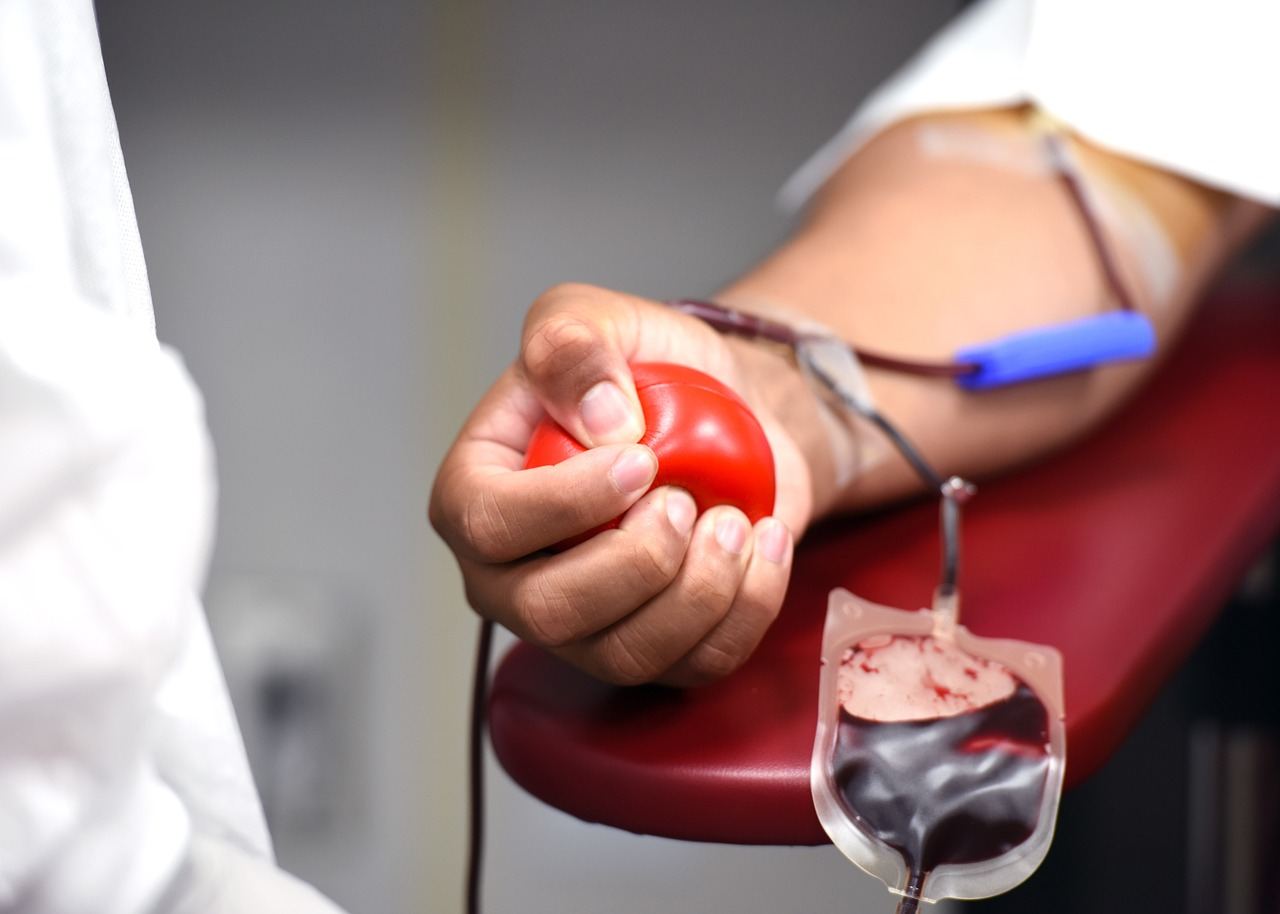
According to the NCI, most blood-forming stem cells used in transplants come from the bloodstream, and such a transplant may be called a peripheral blood stem cell transplant. The cells can also come from bone marrow, in which case the procedure may be called a bone marrow transplant, or from umbilical cord blood collected when a baby is born, which may be called a cord blood transplant. The storage side of that last source is covered in the page on cord blood banking.
Transplants are also grouped by who supplied the cells:
- Autologous transplants use the person’s own stem cells.
- Allogeneic transplants use cells from someone else, who may be a blood relative or an unrelated donor if the cells are a close enough match.
- Syngeneic transplants use cells from an identical twin.
The NCI notes that both autologous and allogeneic transplants carry benefits and risks. With an autologous transplant the cells match, but there is a small risk that cancer cells will be transplanted. With an allogeneic transplant the cells must match closely enough that the immune system does not see them as foreign and destroy them.
Matching donors and cells
To decide whether donor cells are a match, they are tested for HLAs, which stands for human leukocyte antigens. The NCI describes HLAs as sets of proteins, or markers, found on most cells in the body, and each person has a different set. The more HLAs that patient and donor share, the better the chance that the body will accept the donor’s cells. Most often, the best match for an allogeneic transplant is a brother or sister.
Because matching matters so much, the choice of transplant type depends on many factors rather than on a single rule. The NCI lists the type and stage of the cancer, whether the person’s own cells can be used, whether matching donor cells are available, whether other treatments are likely to work, whether high doses of chemotherapy can be tolerated, and other serious health problems or past treatments. A transplant team weighs these factors against each person’s risks and benefits.
Conditions in which transplants are used
Stem cell transplants are most often used to treat cancers that affect blood cells, such as leukemia, lymphoma, multiple myeloma and myelodysplastic syndromes, as the NCI’s overview of stem cell transplants in cancer treatment explains. They are also used for other blood disorders such as aplastic anemia and sickle cell disease, and for some autoimmune diseases. Transplants for other cancers are still being studied in clinical trials.
In leukemia, the NCI adds, a transplant from a donor can have a second effect called graft-versus-tumor or graft-versus-leukemia, in which the donor’s white blood cells attack any cancer cells that remain. The NCI says this effect improves the chances of success of the transplant. It is a property of donor immune cells in this specific setting and does not extend to other uses of stem cells.
Risks and complications
The NCI states that the high doses of cancer treatment given before a transplant can cause bleeding, an increased risk of infection and exhaustion. Short-term problems may include nausea, vomiting, fatigue, loss of appetite, mouth sores, hair loss and skin reactions. Long-term problems may include infertility, cataracts, new secondary cancers, damage to the liver, kidney, lung or heart, and bone and muscle weakness.
People who receive an allogeneic transplant may develop graft-versus-host disease, a serious problem in which white blood cells from the donor see cells in the recipient’s body as foreign and attack them, damaging organs such as the skin, liver and intestines. The NCI says that acute graft-versus-host disease occurs within the first 3 months after a transplant, while the chronic form occurs 3 months after a transplant or later, and that the risk is lower when donor cells match more closely.
These risks are one reason the decision belongs with a transplant team and a licensed physician who knows the person’s situation, not with a general web page.
Approved products and the wider field
Cord blood is one of the few stem cell sources with products on the US regulator’s approved list. The FDA’s page of approved cellular and gene therapy products includes several entries labeled HPC, Cord Blood, where HPC stands for hematopoietic progenitor cells.
Blood stem cell transplantation also shaped the wider search for new cell sources. Reprogrammed cells, discussed in the page on induced pluripotent stem cells, are one such effort, and the International Society for Stem Cell Research says scientists are using them to learn about how tissues develop, model diseases in the laboratory and develop or test new treatments. That is research, and it should not be confused with the established blood stem cell transplant described above.
Frequently asked questions
Is a bone marrow transplant the same as a stem cell transplant?
Show answer
They overlap. A bone marrow transplant is the name used when the cells come from marrow, while a peripheral blood or cord blood transplant uses cells from the bloodstream or umbilical cord.
What is the difference between autologous and allogeneic transplants?
Show answer
Autologous means the cells come from the person receiving them, and allogeneic means they come from another person whose tissue type closely matches.
Why does donor matching matter?
Show answer
Closer HLA matching improves the chance that the body accepts donor cells and lowers the likelihood of graft-versus-host disease.
Does this show that other stem cell treatments work?
Show answer
No. Blood stem cell transplantation replaces a blood-forming system and has its own record. Other uses of stem cells need their own evidence.