What are stem cells? They are cells that can make copies of themselves and can develop into more specialized cells. Different kinds exist in embryos, in adult tissues and in the laboratory.
This guide belongs to the Regenerative Medicine section, whose wider overview is what is regenerative medicine. It explains the basic biology only, and it does not recommend any treatment.
The two defining abilities
The International Society for Stem Cell Research (ISSCR) describes stem cells by two properties: they can self-renew (make copies of themselves) and differentiate (develop into more specialized cells). Self-renewal keeps a supply of stem cells available over time.
These two abilities are what separate a stem cell from an ordinary cell. A mature muscle or nerve cell has already committed to a job and does not generally produce new kinds of cells. A stem cell has not yet made that commitment, or has made only a partial one. The word “stem” reflects the idea that other cells grow out of it, as branches grow from a stem.
The ISSCR adds an important caution: beyond those two critical abilities, stem cells vary widely in what they can and cannot do and in the circumstances under which they can and cannot do certain things.
Roles of stem cells in the body
Stem cells matter first in development, when a single fertilized cell becomes a body with many tissues. They also keep working after birth. The ISSCR notes that beyond development, we continue to rely on stem cells to replace injured tissues and cells that are lost, such as those in our skin, hair, blood and the lining of our gut. In a healthy adult, this replacement happens quietly and continuously, without any medical intervention.
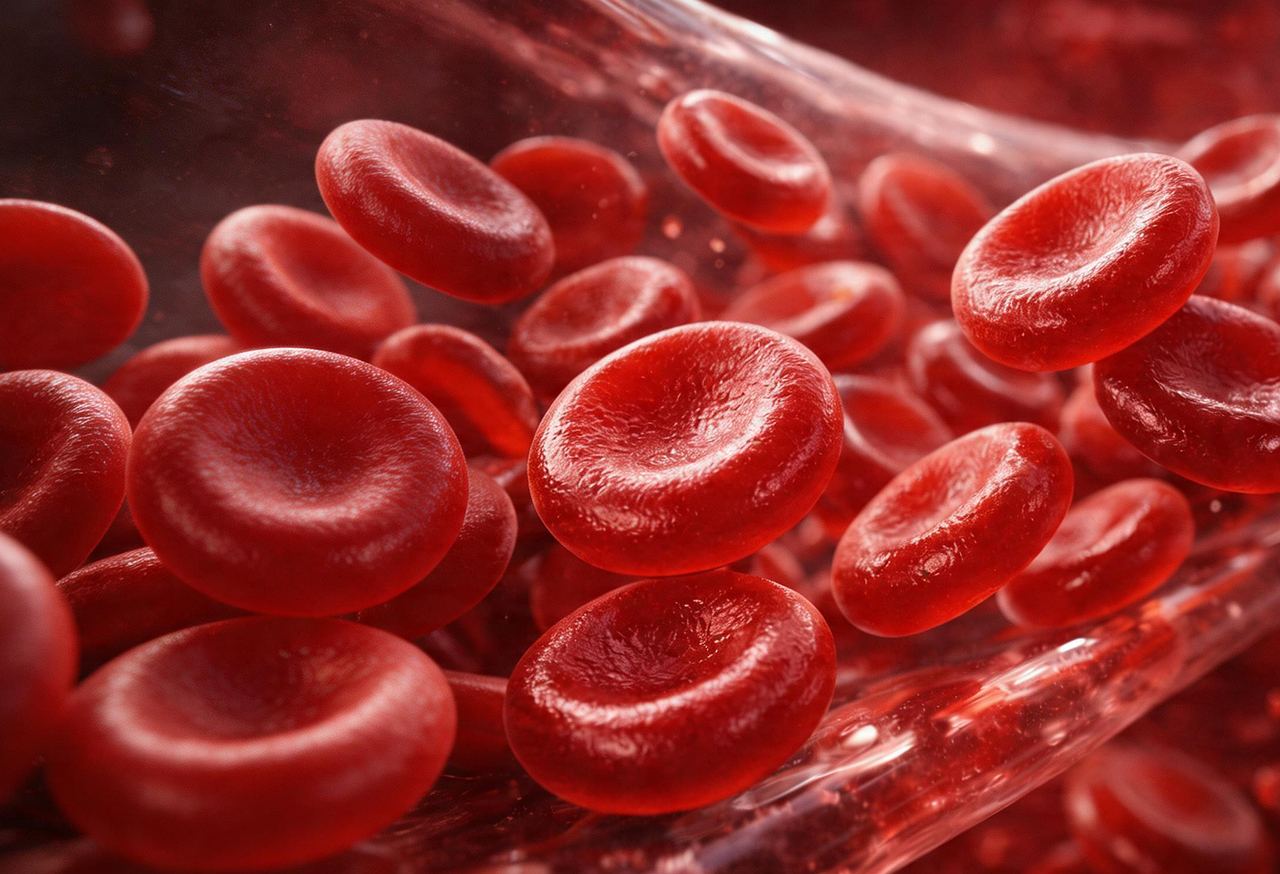
Blood is the clearest example. The National Cancer Institute explains that blood-forming stem cells are vital because they grow into different types of blood cells. These include white blood cells that fight infection, red blood cells that carry oxygen and platelets that help the blood clot. The marrow keeps making them throughout life because stem cells there keep dividing and maturing.
Natural repair has limits. A tissue’s own stem cells replenish that tissue, not the whole body, and they cannot always keep up with large injuries or long-running disease. That gap is the reason researchers study stem cells as possible tools for replacing or repairing damaged tissue, a goal that also drives work in what is tissue engineering, where cells, scaffolds and growth signals are combined.
- Stem cells vary widely: n/a
- Ongoing replacement of tissues: n/a
- Two types of stem cells: pluripotent and tissue-specific
- Embryonic stem cells: n/a
- Induced pluripotent stem cells: n/a
Where stem cells come from
The ISSCR groups stem cells by origin. It says there are two types of stem cells: pluripotent stem cells and tissue-specific (or adult) stem cells. Pluripotent stem cells can become any cell in the body, and they include embryonic stem cells and induced pluripotent stem cells.
Embryonic stem cells come from a very early stage of development. According to the ISSCR, embryonic stem cells only exist at the earliest stages of embryonic development and give rise to every cell type in the adult body. Induced pluripotent stem cells are a laboratory creation: the ISSCR describes them as cells that have been made in the lab by converting tissue-specific cells, such as skin cells, into cells with the same properties as embryonic stem cells.
Tissue-specific stem cells, also called adult or somatic stem cells, sit inside organs and tissues. The ISSCR explains that they can develop into more than one specialized cell type in that organ or tissue, but cannot give rise to every cell type in the adult body. Blood-forming stem cells in bone marrow are the standard example: they can produce blood cells but not liver, lung or brain cells.
Each group has its own strengths and its own open questions, including ethical ones for embryonic cells and technical ones for lab-made cells. A separate guide on types of stem cells goes through the categories in more detail, including how potency is classified.
Terms worth knowing
A few words appear in nearly every discussion of stem cells, and each has a narrow meaning. Potency describes how many cell types a stem cell can become. Pluripotent cells can become any cell in the body. The ISSCR defines multipotent cells as more limited: they can develop into more than one specialized cell type in that organ or tissue, while still falling short of every cell type.
Differentiation is the step-by-step process by which a cell becomes specialized, and a differentiated cell has taken on a defined job such as carrying oxygen or conducting a nerve signal. Self-renewal is the ability to divide and produce more stem cells rather than only specialized ones. A cell line is a population of cells grown in the laboratory that can be studied repeatedly, which is why labs value cells that can be expanded in culture.
These distinctions matter when reading news about research. A headline that mentions stem cells may be describing a laboratory model of disease, a drug-testing platform, an animal experiment or an early human trial. Each is a different kind of evidence, and none of them by itself shows that a treatment is safe or effective for patients. Looking for the cell type, the species studied and the stage of testing is the quickest way to place a story.
Why the biology is not the same as a treatment
Knowing that stem cells can renew and specialize does not show that a particular stem cell product works as a treatment. Medical use depends on the cell type, how it is prepared, how it is delivered and which condition is involved. The ISSCR states that beyond the treatment of certain blood cancers and selected immune disorders, very few other conditions have proven effective and safe stem cell treatments.
The FDA takes the same position on regulation. In a 2020 consumer alert, the FDA said that the only stem cell products that were FDA-approved for use in the United States consisted of blood-forming stem cells derived from umbilical cord blood, approved for disorders that affect the production of blood. On December 18, 2024, the FDA approved Ryoncil, a donor bone marrow-derived mesenchymal stromal cell therapy, for steroid-refractory acute graft-versus-host disease in children; the FDA’s list of approved cellular and gene therapy products is the current reference. Claims that go beyond approved uses need to be tested in clinical trials.
The ISSCR also stresses that pluripotent cells are valuable because they can be grown in the laboratory in unlimited numbers and can be used to model development and disease, test the efficacy of new drugs, and develop cellular therapies for treatment. Much of stem cell science today is therefore laboratory research rather than patient care. Anyone weighing a specific treatment should discuss it with a licensed physician who knows their situation.
Frequently asked questions
What do stem cells do in the body?
Show answer
They replace cells that are lost or injured, such as those in skin, hair, blood and the lining of the gut, according to the ISSCR. They also drive growth during development.
Are all stem cells the same?
Show answer
No. The ISSCR says stem cells vary widely in what they can and cannot do. Pluripotent cells can become any cell in the body, while tissue-specific cells are more limited.
Can stem cells be made in a laboratory?
Show answer
Yes. Induced pluripotent stem cells are made by converting tissue-specific cells, such as skin cells, into cells with properties like embryonic stem cells.
Does having stem cells mean a treatment will work?
Show answer
No. Biology alone does not establish a treatment. Cord-blood blood-forming cells, approved for disorders of blood production, are the longest-established approved stem cell products, and a small number of other cell products, such as the mesenchymal stromal cell product Ryoncil, are licensed for narrow uses.