CRISPR gene editing is a technology that scientists use to selectively modify the DNA of living organisms, adapted from a natural system found in bacteria. It is a research tool first, and one product based on it has FDA approval.
It is a central tool in stem cell research and gene-based medicine, and understanding what it does and does not do helps in reading news about it.
What CRISPR is and where it came from
The National Human Genome Research Institute defines CRISPR, short for clustered regularly interspaced short palindromic repeats, as a technology that research scientists use to selectively modify the DNA of living organisms. It was adapted for use in the laboratory from naturally occurring genome editing systems found in bacteria.
MedlinePlus explains the origin: CRISPR-Cas9 was adapted from a naturally occurring genome editing system that bacteria use as an immune defense. When infected with viruses, bacteria capture small pieces of the viruses’ DNA and insert them into their own DNA, creating segments known as CRISPR arrays. The arrays allow the bacteria to remember the viruses, and if the viruses attack again the bacteria use Cas9 or a similar enzyme to cut the viral DNA apart.
How CRISPR-Cas9 edits DNA
Researchers adapted that defense system by creating a small piece of RNA with a short guide sequence that binds to a specific target sequence in a cell’s DNA. The guide RNA also attaches to the Cas9 enzyme. When introduced into cells, the guide RNA recognizes the intended DNA sequence and the Cas9 enzyme cuts the DNA at the targeted location, according to MedlinePlus.
Once the DNA is cut, researchers use the cell’s own repair machinery to add or delete pieces of genetic material, or to replace an existing segment with a customized DNA sequence. Cas9 is the enzyme used most often, but other enzymes, for example Cpf1, can also be used.
MedlinePlus reports that the system has generated excitement because it is faster, cheaper, more accurate and more efficient than other genome editing methods. Genome editing as a group lets genetic material be added, removed or altered at particular locations in the genome.
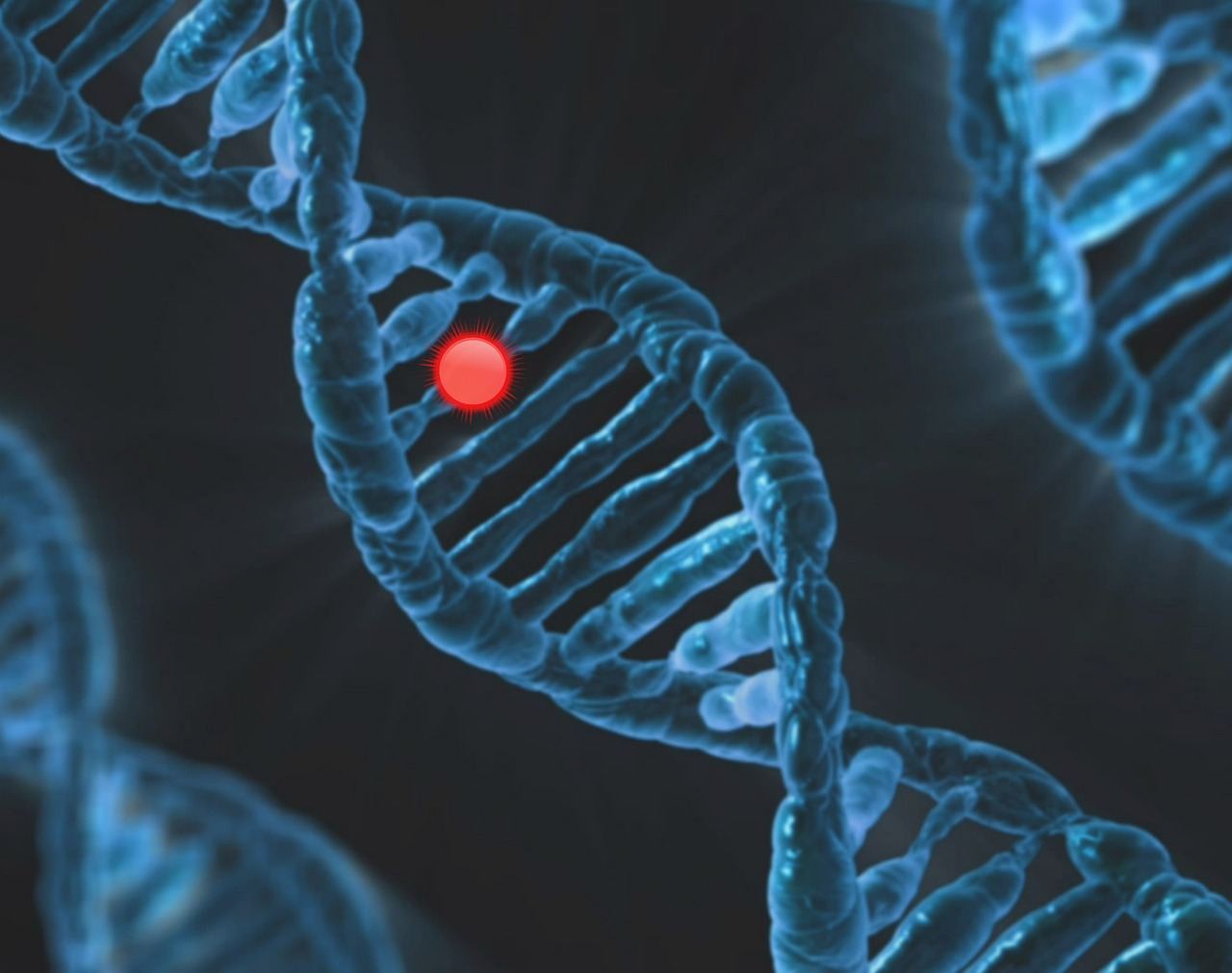
The research case for editing is that it can reach specific places in DNA. MedlinePlus describes the goal in terms of genetic material being added, removed or altered at particular locations in the genome. Scientists are still working to determine whether the approach is safe and effective for use in people, so for most conditions the work remains at the research stage.
Where genome editing is used today
MedlinePlus states that genome editing is currently used in cells and animal models in research labs to understand diseases. Laboratory-grown tissue models, explained in the guide to what are organoids, are another kind of system in which researchers study disease outside the body.
The same source says scientists are still working to determine whether the approach is safe and effective for use in people. It is being explored in research and clinical trials for a wide variety of diseases, including single-gene disorders such as cystic fibrosis, hemophilia and sickle cell disease.
The one approved CRISPR-based therapy
Most of the genome editing field remains experimental. Clinical research on editing is registered publicly, and the same reading skills used for any investigational study apply, a topic that MedlinePlus points readers to through ClinicalTrials.gov listings of studies using genome editing technologies.
The FDA announced approval of two cell-based gene therapies for sickle cell disease in patients 12 years and older. In its announcement, the agency said one of them is the first FDA-approved therapy using CRISPR/Cas9, a type of genome editing technology.
The FDA describes the process: a patient’s own blood stem cells are collected and modified by genome editing, then transplanted back into the patient. Before treatment, the patient must undergo myeloablative conditioning, meaning high-dose chemotherapy, which removes cells from the bone marrow so they can be replaced with the modified cells. Patients who received the products will be followed in a long-term study to evaluate safety and effectiveness.
This example shows how editing and cells combine. The product is both a gene therapy and a cell therapy, a distinction covered in gene therapy vs cell therapy. It is one approved product for specific inherited blood disorders, and it does not mean that other CRISPR-based approaches have been shown to work.
The FDA explains why this condition was a candidate. Sickle cell disease is a group of inherited blood disorders affecting approximately 100,000 people in the U.S., and the primary problem is a mutation in hemoglobin, a protein found in red blood cells that delivers oxygen to the body’s tissues. The mutation causes red blood cells to develop a crescent or sickle shape, which restricts flow in blood vessels.
The process has several steps. Beyond the editing itself, it involves collecting a patient’s own cells, high-dose chemotherapy and a transplant of the modified cells, and the FDA notes that recipients will be followed in a long-term study. Describing an approval is not a claim that the treatment suits any given patient, and readers should not treat it as a recommendation.
The link to stem cell science is direct in this case. According to the FDA, the cells that were edited are the patient’s hematopoietic, or blood, stem cells, and the modified cells engraft, meaning they attach and multiply, within the bone marrow after transplant. The editing tool and the stem cell are two separate pieces of the same product, and the stem cell portion draws on the long-established practice of blood stem cell transplantation.
Ethical and safety questions
MedlinePlus notes that ethical concerns arise when genome editing is used to alter human genomes. Most changes introduced with genome editing are limited to somatic cells, which are cells other than egg and sperm cells. These changes are isolated to certain tissues and are not passed from one generation to the next.
Changes made to genes in egg or sperm cells, or to the genes of an embryo, could be passed to future generations. Based on concerns about ethics and safety, germline cell and embryo genome editing are currently illegal in the United States and many other countries, according to the same MedlinePlus page.
Decisions about whether any genome-editing based treatment is suitable for a particular person belong with a licensed physician who knows that person’s situation.
For readers, the practical takeaway is to separate three things that headlines often blur: the laboratory technique, the experimental studies that use it, and the single therapy that has regulatory approval. Each carries a different level of evidence, and the FDA’s announcement and MedlinePlus’s overview are reliable places to check where a claim stands.
Frequently asked questions
Is CRISPR the same as gene therapy?
Show answer
Not exactly. CRISPR is a genome editing technology, and editing is one approach within the wider category of gene therapy, in which genes are modified to treat disease.
Does CRISPR cut DNA on its own?
Show answer
No. The Cas9 enzyme makes the cut, guided to a specific location by a piece of guide RNA that matches the target sequence.
Are changes made by genome editing inherited?
Show answer
Changes limited to somatic cells are not passed on, while changes to egg, sperm or embryo cells could be, which is why germline editing raises particular ethical concerns.
Is CRISPR editing of human embryos allowed?
Show answer
MedlinePlus reports that germline cell and embryo genome editing are currently illegal in the United States and many other countries.